V 速語音唱數
於效能畫面武裝、每趟起飛觸發一次:V1、Rotate 與 V2,依你的實際重量與跑道估算。
Boeing 在自家最大的雙發客機上保留了真實的操縱柱——那就用一支真的來飛它。SkyYoke 把 iPhone 化為 Infinite Flight 777-200ER 的無線駕駛盤:轉動手腕壓坡度、後拉拉起機頭,全程透過你自己的 Wi-Fi 連線。
Infinite Flight 的 Boeing 777-200ER 駕駛盤是一款頂替客機操縱柱的 iPhone App:SkyYoke 感測你傾斜手機的方式,即時透過 Wi-Fi 網路操控在另一台裝置上運行的 777-200ER。轉動手腕讓這架大雙發壓坡度,後拉拉起機頭——沒有塑膠硬體、沒有線材,也不用配對。
每一次 777-200ER 的起飛都醞釀著同一個瞬間:後拉。一架滿載的長程機不會輕巧地彈離跑道——機頭緩緩抬起,機翼逐漸承重,跑道在中線遠處某一點才鬆手放行。在玻璃螢幕上點滑桿,把這個瞬間壓成了虛無。Infinite Flight 的 Boeing 777-200ER 駕駛盤把它還給你:有了 SkyYoke,你的 iPhone 就是操縱柱,拉起機頭化為一次真實、審慎、朝胸口拉近的動作。
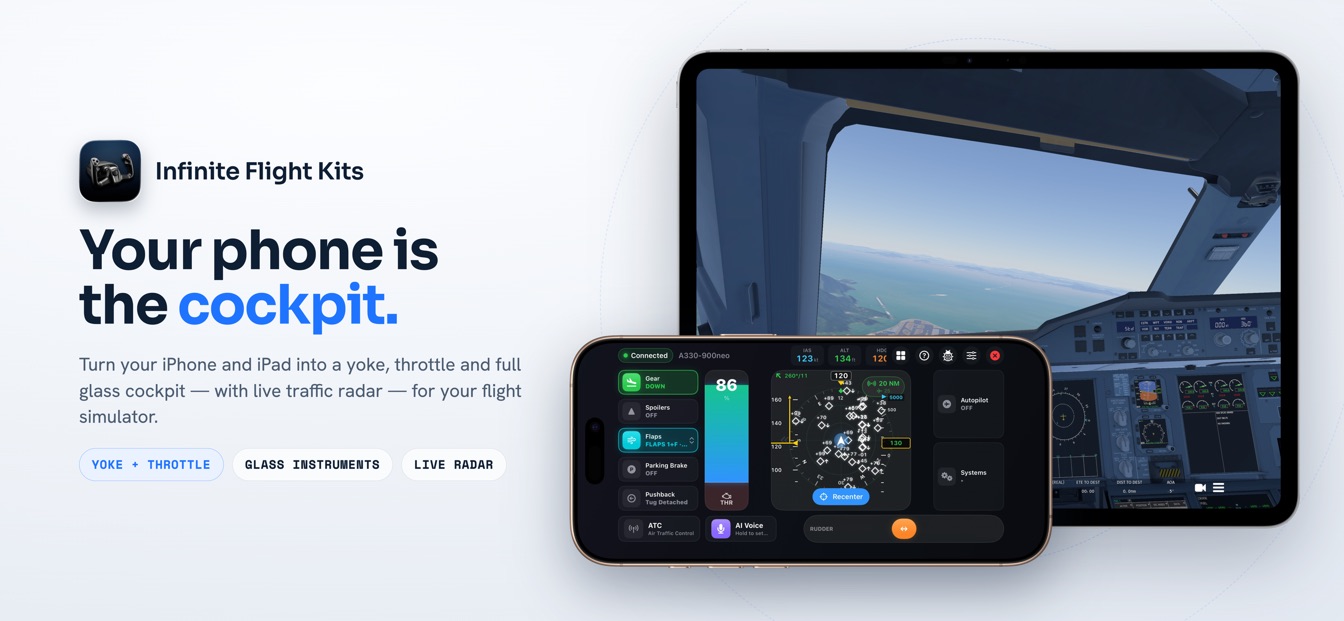
SkyYoke 是一款 iPhone App,透過你自己的 Wi-Fi 操控運行於第二台裝置(通常是 iPad)上的 Infinite Flight。不必買塑膠外設、不必找線材;你手上已有的手機就提供了握感、行程與回饋。而在它能飛的所有機型中,大波音最能回報這套玩法,因為 Boeing 從未放棄駕駛盤。
長程飛行曾經預設要三具或四具引擎;777-200ER 正是改寫這項假設的飛機。作為證明大雙發能執行 ETOPS 長程飛行的遠程雙發機,它僅憑一對引擎就撐起洲際航線——而且是何等的一對。掛在翼下、GE90 等級的巨型渦扇成了這款機型的招牌,也是任何人在停機坪上第一眼注意到的地方。
它也是整個 777 家族的基礎:後來每一款加長型與貨機都能追溯到這具機身。自 1990 年代末以來一直是洲際機隊的主力,-200ER 就在 Infinite Flight 的機隊裡待命,準備執行它為之而生的任務——漫長的越洋航段、厚重的起飛,以及在航線盡頭耐心而穩定的進場。
當業界大多轉向側桿時,真實的 -200ER 仍保留了傳統操縱柱,而這個選擇正是這種玩法的重點所在。SkyYoke 的體感駕駛盤讀取手機相對於你所選中立位置的重力向量——而非原始旋轉角度——所以你的握姿永遠無關緊要,也永遠不會發生萬向鎖。把手機平放腿上,或像操縱柱一樣直立握持皆可;無論哪種握法,轉動手腕就能讓飛機壓坡度,把上緣往身體方向輕拉就抬起機頭。
可調的傾斜範圍從 15° 到 60°,決定你要傾多少才達到滿舵量;而輕點一下的重新取中,讓你每次在座位上挪動時都能建立全新的中立點。接著每個軸都會經過自己的調校鏈:
調入較寬的 expo 曲線再加上額外平滑,-200ER 就會飛出它該有的樣子:審慎、沉穩、略帶一點勉強——這是最好的意義上的勉強。想讓手機保持不動?觸控搖桿以畫面上會自動回中的搖桿墊取代體感,1:1 對應,一鬆手就立刻彈回中央。
這架飛機的推力是一場大事,而 SkyYoke 的智慧油門正是這樣對待它。它是一根在慢車檔位帶有觸覺震動的單一推桿:起飛滾行時把它立起來,就能推出那兩具巨型渦扇 0–100% 的推力,並看著它隨著任務改變而變換顏色——藍與綠代表向前推力,琥珀色代表煞車,紅色代表反推力。
精妙之處在觸地之後才登場。Infinite Flight 要求反推力必須持續按住,這通常意味著在飛行最忙碌的幾秒裡得把一根手指釘在螢幕上。有了 SkyYoke,在地面速度達 40 節或以上時,把推桿拉進紅色區域就會啟動反推力保持——推桿會替你一直保持著,讓你騰出手用方向舵桿控制滾行方向。當速度衰減到 40 節以下,同一段紅色行程便交棒給比例式輪煞車,於是從主起落架觸地一路減速到滑行速度,全靠一根拇指的一次連續動作完成。在空中,紅色區域則完全鎖定,若你嘗試操作會出現警告橫幅並持續震動提醒。
這架飛機的重點——以及 SkyYoke 如何把你的手機對應到它身上:
| 製造商 | Boeing |
|---|---|
| 家族 | 777——整條產品線都由 -200ER 這個基礎成長而來 |
| 操控風格 | 傳統駕駛盤(操縱柱) |
| 引擎 | 2 × GE90 等級的巨型高旁通比渦扇引擎 |
| 典型定位 | 長程洲際雙發機;正是它證明了大雙發能執行 ETOPS 長程飛行 |
| SkyYoke 裡的駕駛盤 | 體感傾斜(以重力為本、與握姿無關)或 1:1 觸控板,各軸可獨立調校 |
| SkyYoke 裡的油門 | 智慧推桿——0–100% 推力、地面自動保持反推力、40 kts 以下比例式煞車 |
| SkyYoke 裡的方向舵 | 會自動回中的方向舵踏板,用於側風與守中線 |
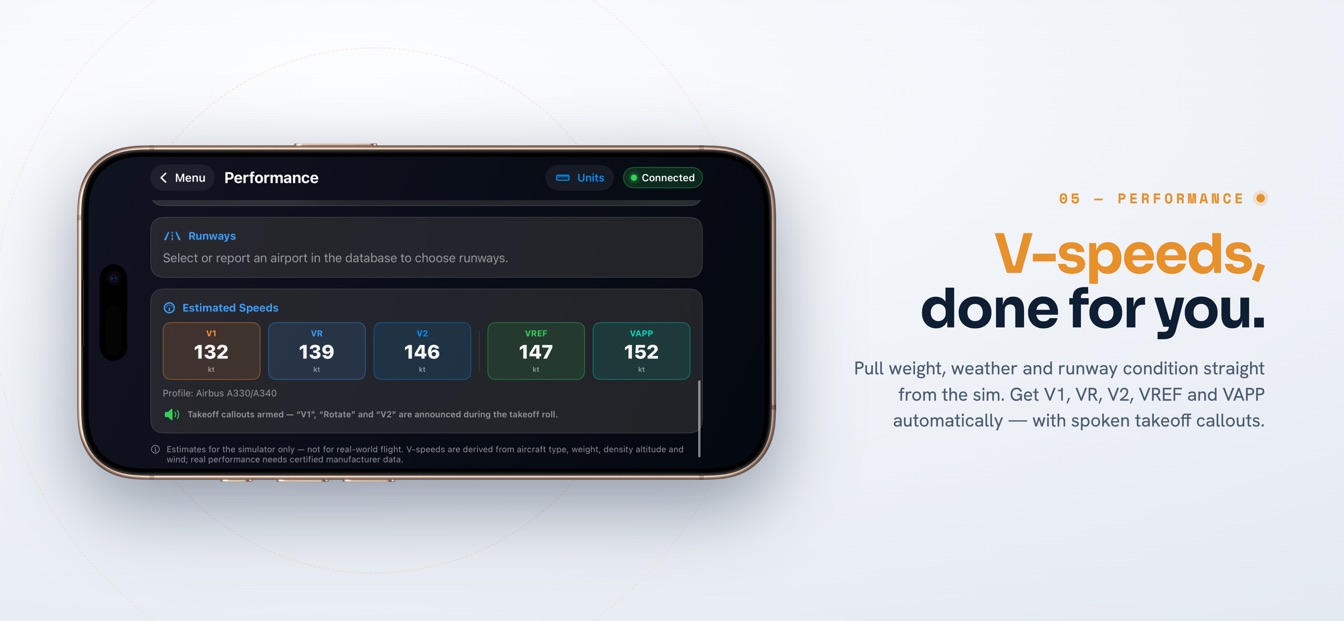
漫長的航段,用眼睛飛的成分多過用雙手,因此 SkyYoke 在駕駛盤四周環繞著廣體機組所倚賴的提示。起飛前,效能畫面讀取你的重量與模擬器天氣,為你所選的跑道估算 V1、VR、V2、VREF 與 VAPP,並為滑跑武裝語音唱數。飛行途中,HUD 把空速、高度、航向與垂直速度釘在操控旁,而 TCAS 交通螢幕則把即時的多人連線交通繪在駕駛盤板正上方。
於效能畫面武裝、每趟起飛觸發一次:V1、Rotate 與 V2,依你的實際重量與跑道估算。
即時 IAS、高度、航向與垂直速度資訊塊,外加速度帶與高度帶,並以青色 bug 標示你選定的目標。
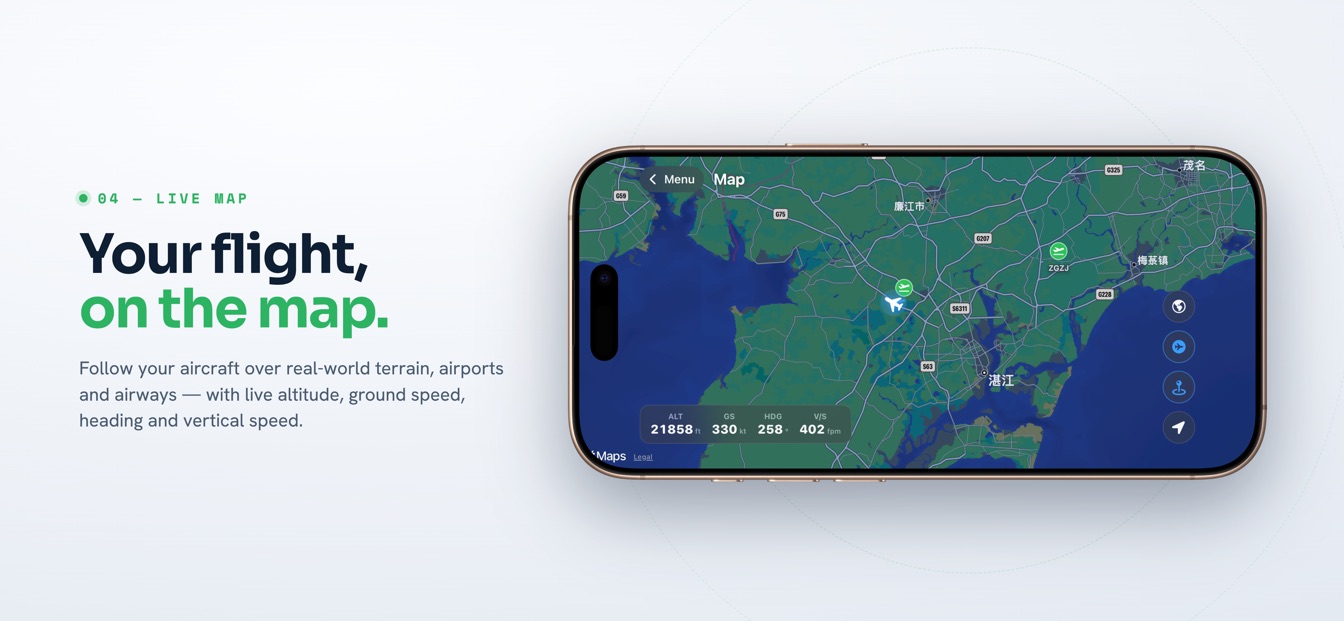
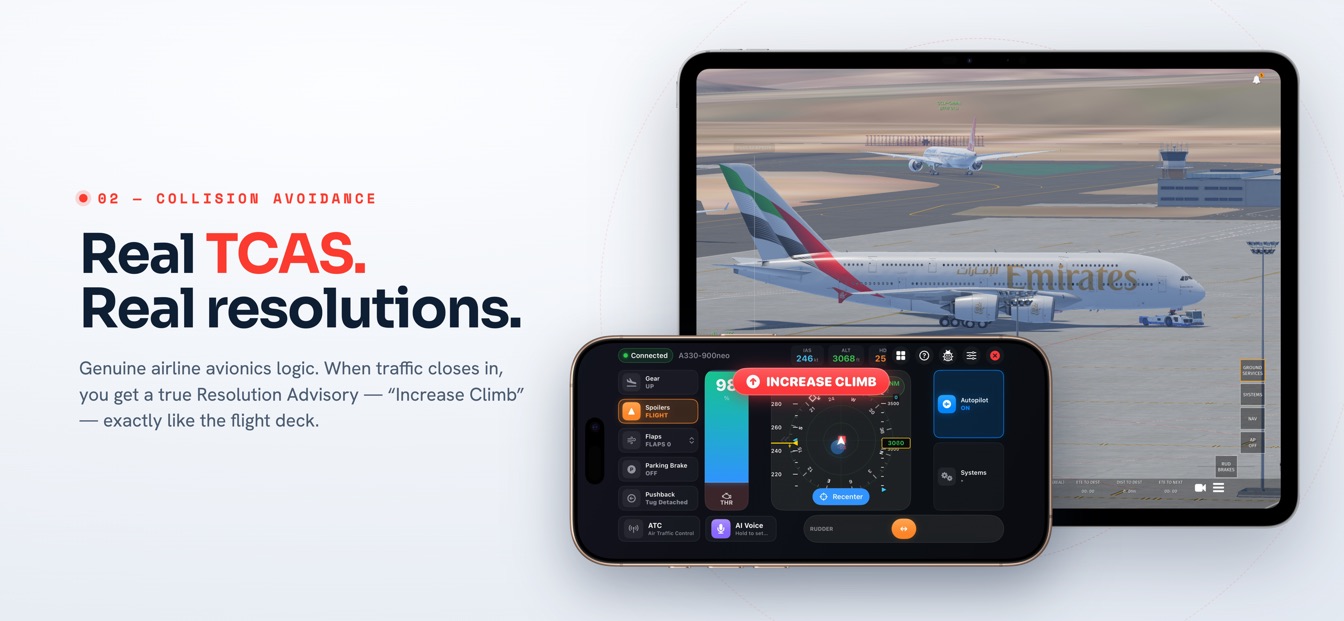
一個繪於駕駛盤板上方、導航顯示器風格的螢幕,會分類鄰近交通,並在另一架飛機逼近時語音播報諮詢。
系統面板承接流程的其餘部分——引擎起動、APU、外部燈光、客艙標示與自動煞車——而且只顯示這架飛機實際具備的控制。而由於一架乾淨、厚重的雙發機在下降時很快就會積速,違規防範系統會在自動駕駛飛行時,緊盯 10,000 呎以下的 250 節限速,趕在超速落進你的飛行紀錄之前先箝制速度目標或管理能量。它是一項輔助,而非保證——但在一段濕滑的下降裡,它是極佳的夥伴。
用 iPhone 當駕駛盤,飛 Infinite Flight 的 777-200ER。
它讓你用真實的操控手感來駕駛 Infinite Flight 的 777-200ER,而不再依賴觸控螢幕上的滑桿。SkyYoke 把 iPhone 變成駕駛盤:App 在你傾斜手機時感測重力,即時透過家中 Wi-Fi 把滾轉與俯仰送進模擬器;你也可以用畫面上會自動回中的搖桿墊操控。無需任何實體硬體——只要兩台裝置連上同一個網路即可。
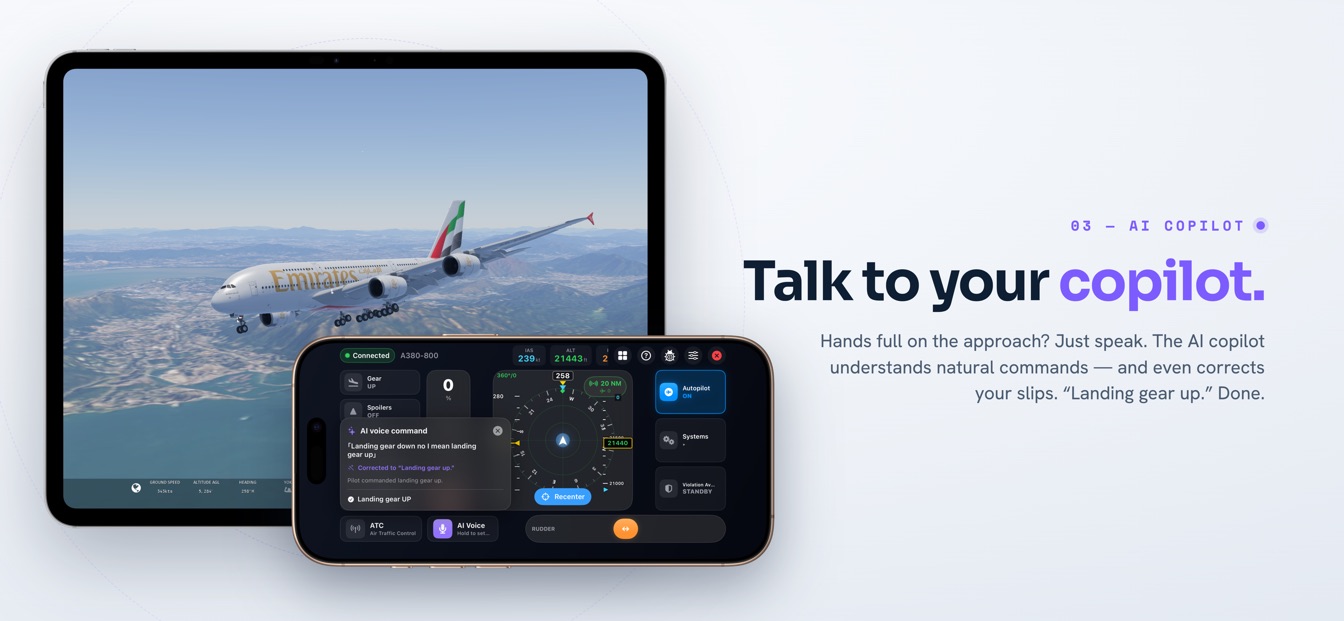
SkyYoke 讀取相對於你設定中立點的重力向量,因此動作就像操作 Boeing 駕駛盤:轉動手腕壓坡度,把手機往身體方向後拉抬起機頭。無論用什麼握姿都行——平放腿上或直立握持皆可——只要輕點一下就能重新取中,隨時建立新的中立點。每個軸都可獨立設定靈敏度、死區、expo 曲線、配平與平滑,讓你把這架大雙發調成刻意厚重、穩定的手感。
可以。觸地後,在地速達 40 節或以上時把推桿拉進紅色區,就會啟動反推力並替你保持——Infinite Flight 平常要求反推力必須持續按住。當滑跑減速到 40 節以下,同一段推桿行程便改為比例式輪煞車,於是從主起落架觸地到滑行速度的整套流程,一隻手就能包辦。在空中,反推力會被鎖住,並發出警告與觸覺回饋。
一支執行 SkyYoke、系統為 iOS 17.2 或以上的 iPhone,加上同一個 Wi-Fi 上另一台執行 Infinite Flight 並已開啟 Infinite Flight Connect 的裝置。你只需在 Infinite Flight 的 Controllers 設定裡把控制軸綁定一次——App 內建的指南會帶你完成——接著從 Infinite Flight 的機隊載入 777-200ER 就能起飛。SkyYoke 會自動在網路上找到模擬器。
不是。SkyYoke 是一款獨立的 App,與 Boeing 或 Infinite Flight LLC 並無任何從屬、贊助或背書關係。它透過 Infinite Flight 公開的 Connect API 與模擬器對話,而 777-200ER 本身——它在模擬器裡的供應與行為——完全由 Infinite Flight 決定。此處出現的機型名稱僅用於說明相容性。
SkyYoke 現正供應——在 App Store 下載,把你的 iPhone 變成完整的飛行模擬駕駛艙。
從 App Store 下載 從 Google Play 下載